How Body Contouring Farmington Hills Can Complement Postpartum Goals
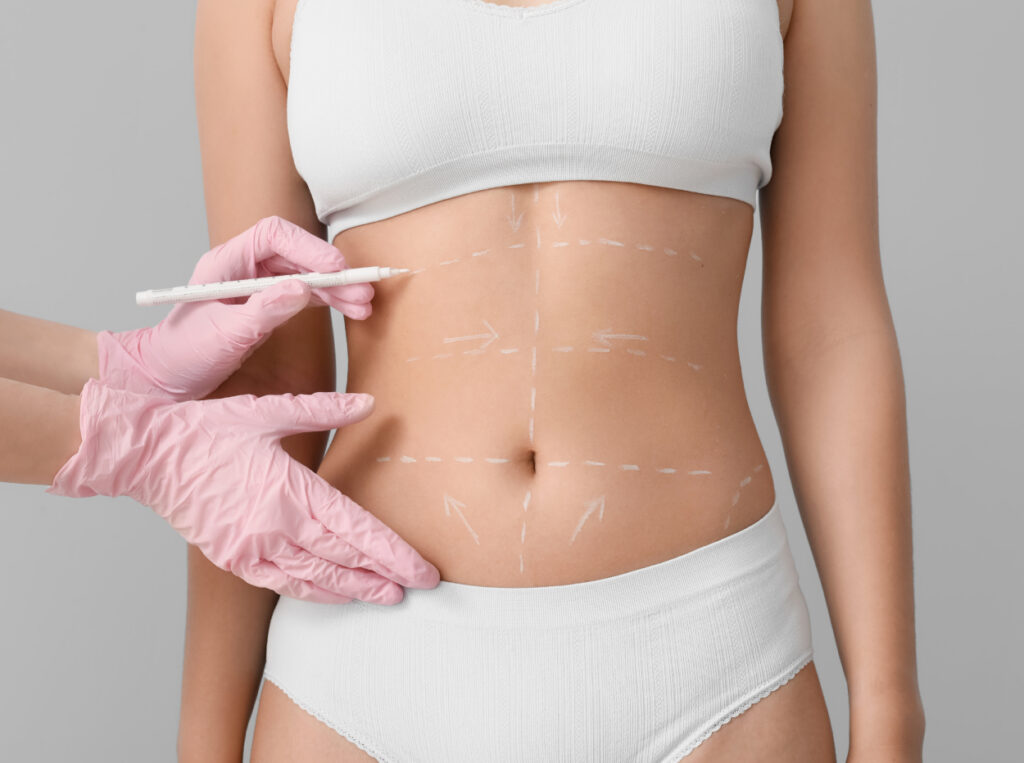
Pregnancy changes the body in ways that are both remarkable and stubborn. Many women expect the usual shifts, a softer midsection, fuller breasts, wider hips, a few stretch marks. What often catches them off guard is how long some of those changes linger, even after the bleeding stops, sleep returns in fragments, and the baby starts crawling across the living room floor. A strong nutrition routine, regular walks, pelvic floor therapy, and a return to strength training can do a great deal. Even so, certain changes do not respond the way people hope.
That is usually the point when the conversation around body contouring becomes more practical than cosmetic. It is not always about chasing a pre-baby body. More often, it is about feeling physically comfortable in clothes again, rebuilding confidence after a demanding season, and addressing the specific areas that diet and exercise simply cannot fully change. For many women considering Body Contouring Farmington Hills options, the goal is not transformation for its own sake. It is alignment, getting the outside to match the effort they have already put in.
The postpartum body does not always "bounce back"
The phrase "bounce back" has done a lot of damage. It implies that the body should return quickly and neatly to a previous baseline, as if pregnancy were a temporary detour rather than a full biological overhaul. In practice, postpartum recovery is uneven. Some women lose weight gradually and feel stronger than ever within a year. Others find that their weight normalizes but their skin does not tighten, their abdomen still protrudes because of muscle separation, or their breasts lose volume and sit differently than before.
These are not failures of discipline. They are common consequences of stretched skin, connective tissue changes, hormonal shifts, and the simple mathematics of carrying a baby for months. If someone has diastasis recti, for example, no amount of crunches will stitch the abdominal wall back together. If skin has been significantly stretched, improved muscle tone may help the shape underneath, but it cannot always restore the surface. That distinction matters, because it sets a more realistic frame for what body contouring can and cannot do.
Postpartum goals also tend to be highly specific. One woman is happy with her weight but bothered by loose lower abdominal skin that folds over jeans. Another feels comfortable with her midsection yet wants to address breasts that became deflated after breastfeeding. Someone else carries pockets of stubborn fullness at the flanks or upper arms despite maintaining healthy habits. These are contour issues, not necessarily scale issues.
Where body contouring fits into a postpartum plan
Body contouring works best as a complement to postpartum recovery, not a substitute for it. That distinction tends to lead to better decisions and better outcomes. The women who are happiest with body contouring usually arrive at consultation after they have already done the foundational work. They have given their bodies time to heal. They have a sense of their stable weight range. They know what they can change through strength training, nutrition, sleep, and therapy, and they know what seems resistant despite consistent effort.
In that context, body contouring becomes targeted. It can refine what lifestyle changes started. It can remove excess skin that traps moisture or rubs against clothing. It can restore abdominal contour after stretched tissue and muscle separation. It can improve proportion, which often matters as much as size. A person may not want to be smaller overall. She may simply want her waistline, abdomen, and breast shape to feel more balanced.
That is why Body Contouring Farmington Hills consultations should center on goals rather than procedures. A skilled provider does not start with a menu. They start by listening. Are you hoping to fit into certain clothes comfortably? Is there physical discomfort from skin rubbing, lower back strain, or bra fit? Do you want subtle refinement, or are you willing to consider surgery for a more dramatic correction? Those answers shape the plan far better than trend-driven procedure names ever will.
Common postpartum concerns that body contouring can address
The postpartum body presents a different set of patterns than routine age-related changes or weight fluctuations. The abdomen is usually the main focus, but it is far from the only area. Loose lower belly skin is one of the most common complaints because it can persist even after significant weight loss. Some women describe it as a shelf or overhang. Others notice a wrinkled texture that does not improve with exercise. When this is paired with weakened or separated abdominal muscles, the entire midsection can project outward in a way that feels disconnected from the rest of the body.
Breast changes are another major concern. Pregnancy and breastfeeding can increase volume temporarily, then leave breasts smaller, flatter, lower, or uneven afterward. For some patients, this is mostly about shape and bra fit. For others, it affects posture and self-image enough that they stop wearing certain clothes altogether.
Flanks, hips, thighs, and the area around the lower back can also change. Fat distribution may shift postpartum, and some areas become more resistant to weight loss than they were before pregnancy. Even women who return to their previous clothing size sometimes notice that the fit is different. A waistband may dig in at the sides. Dresses may cling in new places. These are subtle changes, but they are often the ones that linger in daily life.
Surgical and non-surgical options serve different needs
One of the biggest misunderstandings around body contouring is the idea that every concern can be solved with a non-surgical device. Non-surgical treatments have a place, especially for mild to moderate contour concerns or small pockets of stubborn fat. They can be useful for patients who want less downtime, are not ready for surgery, or only need fine tuning. But postpartum anatomy often involves skin laxity and muscle changes, and those concerns usually require a more structural solution.
A woman with minimal loose skin and a modest amount of localized fat may do well with a non-surgical contouring approach. A woman with stretched skin, abdominal wall separation, and major shape changes after multiple pregnancies may be a much better candidate for surgery. The right answer depends on tissue quality, goals, healing capacity, and tolerance for downtime.
In practical terms, surgery typically offers the most visible and lasting correction for significant postpartum changes. Procedures such as abdominoplasty can remove excess skin and, when appropriate, repair separated muscles. Breast lift procedures can reposition breast tissue and improve shape. Liposuction can sculpt areas of fat that remain out of proportion to the rest of the body. These interventions are more invasive, but they also address issues that topical products, gym routines, and energy-based devices simply cannot.
That said, surgery is not automatically the better choice. Some women do not need it. Others are not in a season of life where recovery is realistic. A mother with a toddler who still needs lifting several times a day and no reliable help at home may decide to wait, even if she is a strong candidate physically. That is a wise decision, not a missed opportunity.
Timing matters more than people think
The best time for postpartum body contouring is usually later than many patients initially expect. The body needs time to settle after pregnancy, delivery, and breastfeeding. Weight fluctuates. Hormones shift. Breast volume changes. Sleep deprivation affects healing, appetite, and stress tolerance. Rushing into a procedure before these factors stabilize can lead to disappointment or unnecessary revision later.
Many providers advise waiting until you are finished having children or at least confident that another pregnancy is not imminent. That is not because future pregnancy always "ruins" results, which is too simplistic. It is because pregnancy can stretch the same tissues again, change weight distribution, and alter the long-term value of the procedure. If someone plans to conceive within the next year, postponing contouring often makes more sense.
Breastfeeding adds another layer. Breast tissue can continue changing for months after weaning, and operating too soon may mean judging shape before it has stabilized. Similar logic applies to body weight. A patient who is still losing weight steadily may get a better result by waiting until she reaches a maintenance range that feels sustainable.
A practical readiness check often includes the following:
- weight has been relatively stable for several months
- breastfeeding has ended and breast shape has had time to settle
- there is help available for childcare during recovery
- the patient can pause heavy lifting if surgery requires it
- expectations are specific, realistic, and not driven by outside pressure
That list is not a rulebook. It is a way to make sure body contouring supports postpartum recovery instead of colliding with it.
Recovery looks different when there is a baby or toddler at home
This is the part many women underestimate. Recovery is rarely just about pain. It is about logistics. A smooth recovery after body contouring often depends on whether you can truly protect the healing period. For a postpartum patient, especially one with small children, that can be harder than the procedure itself.
If lifting restrictions are in place, a child who wants to be carried cannot simply be scooped up on instinct. If you have a breast procedure, finding a comfortable sleep position may be complicated by nighttime wakeups. If an abdominal procedure is involved, standing up, getting in and out of bed, and driving can all feel limited for a period of time. The issue is not whether women are strong enough to handle recovery. They often are. The issue is whether they are given enough support to recover properly.
The women who tend to do best plan aggressively. They arrange school pickups, meals, laundry help, and childcare coverage before surgery. They move commonly used baby items to waist level. They set up sleeping arrangements that reduce stair use. They tell their partner, parent, sibling, or close friend exactly what kind of help will be needed and for how long. Vagueness creates stress. A written plan prevents a lot of it.
This is also where professional honesty matters. A provider who minimizes recovery to make treatment sound easy is not doing a postpartum patient any favors. The right consultation should account for daily life, not just anatomy.
The emotional side deserves as much respect as the physical side
Body contouring after pregnancy can be empowering, but it can also stir up complicated feelings. Some women feel guilty for wanting aesthetic improvement at all, as if caring about their appearance somehow diminishes their gratitude for motherhood. Others feel pressure in the opposite direction, pushed by social media, partner expectations, or before-and-after transformations that flatten a complex journey into a single reveal.
The healthiest motivation usually sounds steady rather than urgent. It comes from a place of self-recognition. "I feel like myself except for this one issue." "I have worked hard, and this is the part I cannot change alone." "I want to be more comfortable and confident in my own skin." Those are very different from "I hate my body," or "I need to look exactly like I did at 25."
That emotional distinction matters because procedures have limits. They can improve contour, tighten tissue, and restore proportion. They cannot resolve a strained relationship with the mirror if the underlying expectation is perfection. A good surgeon or aesthetic provider can spot that difference quickly. Sometimes the best advice in a consultation is to wait, stabilize, or rethink the goal.
What to look for when exploring Body Contouring Farmington Hills options
Local convenience matters, but expertise matters more. If you are researching Body Contouring Farmington Hills providers, look beyond polished websites and social media clips. The quality of consultation, the realism of the discussion, and the provider's comfort with postpartum anatomy tell you far more than promotional language.
Postpartum patients benefit from clinicians who understand the interplay between skin laxity, fat distribution, muscle separation, scars from C-sections, and the realities of recovery while caring for children. This is a very different conversation from elective contouring in someone who has never been pregnant.
Pay attention to how the provider evaluates you. Do they explain why a certain approach matches your anatomy? Do they distinguish between what non-surgical treatment can improve and what it likely cannot? Do they ask whether you plan to have more children? Do they discuss recovery with enough specificity that you can picture your actual week at home?
These https://hectorwxzy039.nexorafield.com/posts/why-body-contouring-farmington-hills-is-growing-in-popularity questions can help guide the consultation:
- what result is realistic for my anatomy, not an idealized photo
- would a non-surgical treatment help, or am I more likely to need surgery for the concern I described
- how long should I wait after childbirth or breastfeeding before treatment
- what restrictions will I have during recovery, especially around lifting children
- if I plan another pregnancy later, how could that affect my result
Clear answers tend to signal experience. Evasive answers usually signal the opposite.
Setting realistic expectations leads to better satisfaction
The happiest postpartum body contouring patients are not necessarily the ones who get the most dramatic change. They are often the ones who understand the trade-offs beforehand. If surgery tightens the abdomen and improves contour, there may be a scar. If liposuction reduces fullness, it will not improve poor skin elasticity the same way skin excision might. If a breast lift restores shape, upper pole fullness may still look different from what an implant would create. Every choice has a cost, a benefit, and a limit.
That is not a drawback. It is simply how good decision-making works in aesthetic medicine. Precision matters more than fantasy. If a patient says, "I want my lower abdomen flatter, my waist more defined, and clothes to fit better," those are measurable goals. If she says, "I want to look untouched by pregnancy," that is far more difficult to pursue in a healthy way.
Age, genetics, number of pregnancies, C-section history, weight changes, and baseline tissue quality all influence outcomes. So does healing behavior. Patients who smoke, struggle to maintain stable weight, or cannot follow recovery instructions may see less favorable results or higher complication risk. These are not moral judgments. They are practical realities, and they should be part of the conversation.
The best results usually come after the basics are already in place
Body contouring is not a first step. It is usually a finishing step. In my experience, postpartum patients feel most satisfied when they have already built a strong foundation, even if that foundation is imperfect. They are eating in a way that supports energy and recovery. They are moving regularly. They have addressed pelvic floor concerns if needed. They are not using a procedure to bypass health habits, but to complete what those habits cannot finish.
That foundation also protects the result. A flatter abdomen or more refined contour will hold up better when weight is stable and core function has been supported. Someone who is still in the churn of crash dieting, erratic routines, or rapid body changes may be happier in the long run by postponing treatment.
There is also a practical psychological benefit. When women know they did their part first, they tend to view body contouring more clearly. It becomes a targeted investment rather than a desperate fix. That usually leads to better consultation choices, steadier recovery, and more durable satisfaction.
A balanced path forward
For postpartum women, body contouring can be a thoughtful, legitimate part of reclaiming comfort and confidence. It is not vanity dressed up as wellness, and it is not a miracle answer either. It sits somewhere more grounded. It can address the physical leftovers of pregnancy that persist despite real effort. It can restore proportion, improve clothing fit, and make a body feel more familiar again.
The key is timing, candor, and fit. The right provider will not push treatment before your life and body are ready. They will help you separate what can improve through training and healing from what likely needs procedural help. They will speak plainly about recovery, especially if you are parenting small children. And if you are exploring Body Contouring Farmington Hills options, that kind of honesty is far more valuable than any flashy promise.
Postpartum goals are personal. For some women, they end with better sleep, stronger hips, and a few pairs of jeans that finally fit. For others, they include surgery or non-surgical contouring after the family season settles enough to make recovery feasible. Neither path is more valid than the other. What matters is that the choice reflects your body, your timeline, and your real life.
Aesthetic Plastic Surgery & Laser Center, Michelle Hardaway M.D.
Address: 27920 Orchard Lake Rd, Farmington Hills, MI 48334
Phone number: +12482211957
FAQ About Body Contouring Farmington Hills
What does body contouring actually do?
Body contouring (or body sculpting) eliminates stubborn localized fat, tightens loose, sagging skin, and reshapes your silhouette. It is not a weight-loss tool, but rather a cosmetic procedure used to refine and tone specific trouble spots after major weight loss, pregnancy, or aging.
How much does body contouring usually cost?
The total cost of body contouring usually ranges from $2,000 to $25,000+ depending entirely on whether you choose non-surgical sessions or major surgical procedures.
Because "body contouring" covers everything from simple fat-freezing to comprehensive post-weight-loss surgeries, pricing is heavily categorized by the method used.
What is the best type of body contouring?
Liposuction is a huge topic and worth discussing in more detail, but in terms of body contouring and sculpting, nothing does the job better than liposuction, particularly VASER liposuction.